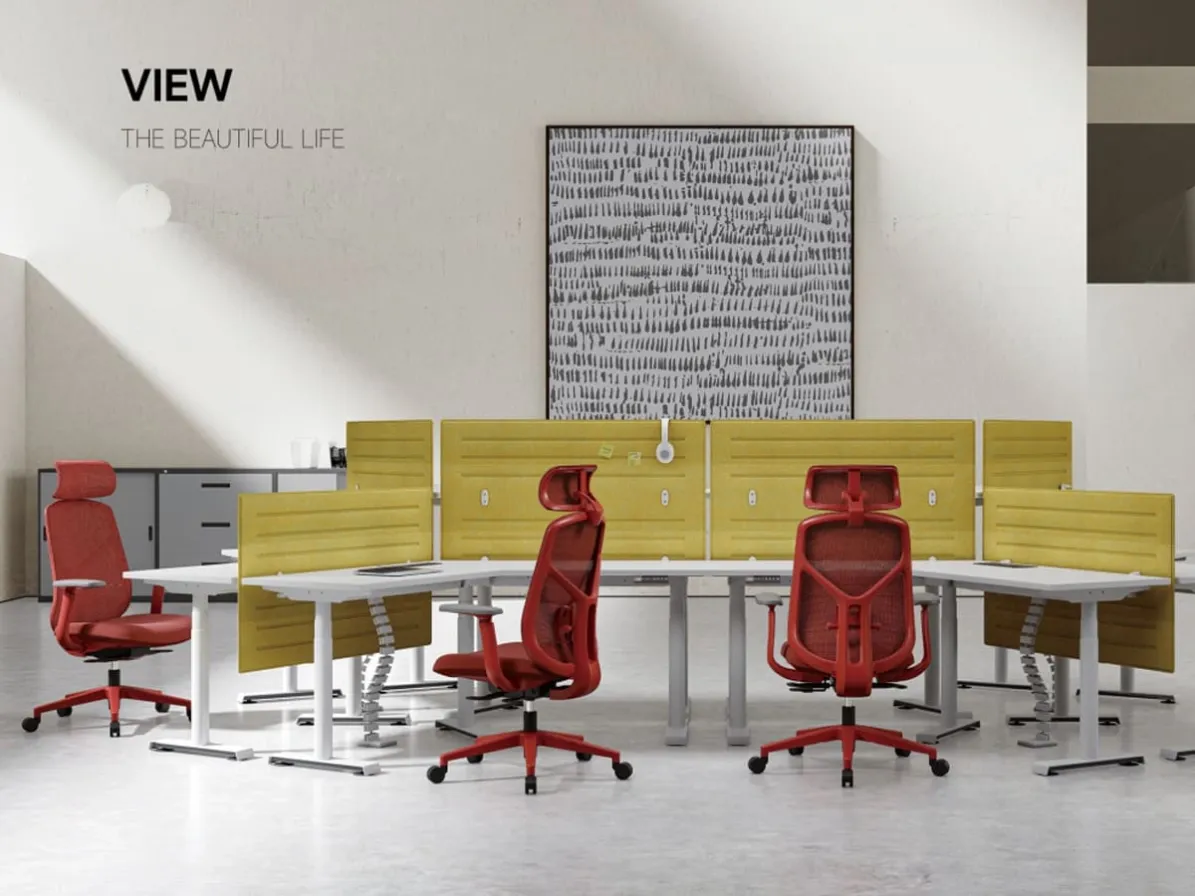
Aug 11, 2026Corporate Office Furniture Solutions
Office Workstation Planning for Commercial Projects: A Practical Guide for Global Buyers
Learn how global buyers, contractors, and office furniture importers can plan efficient office workstation projects with layout, materials, customization, and supplier coordination.
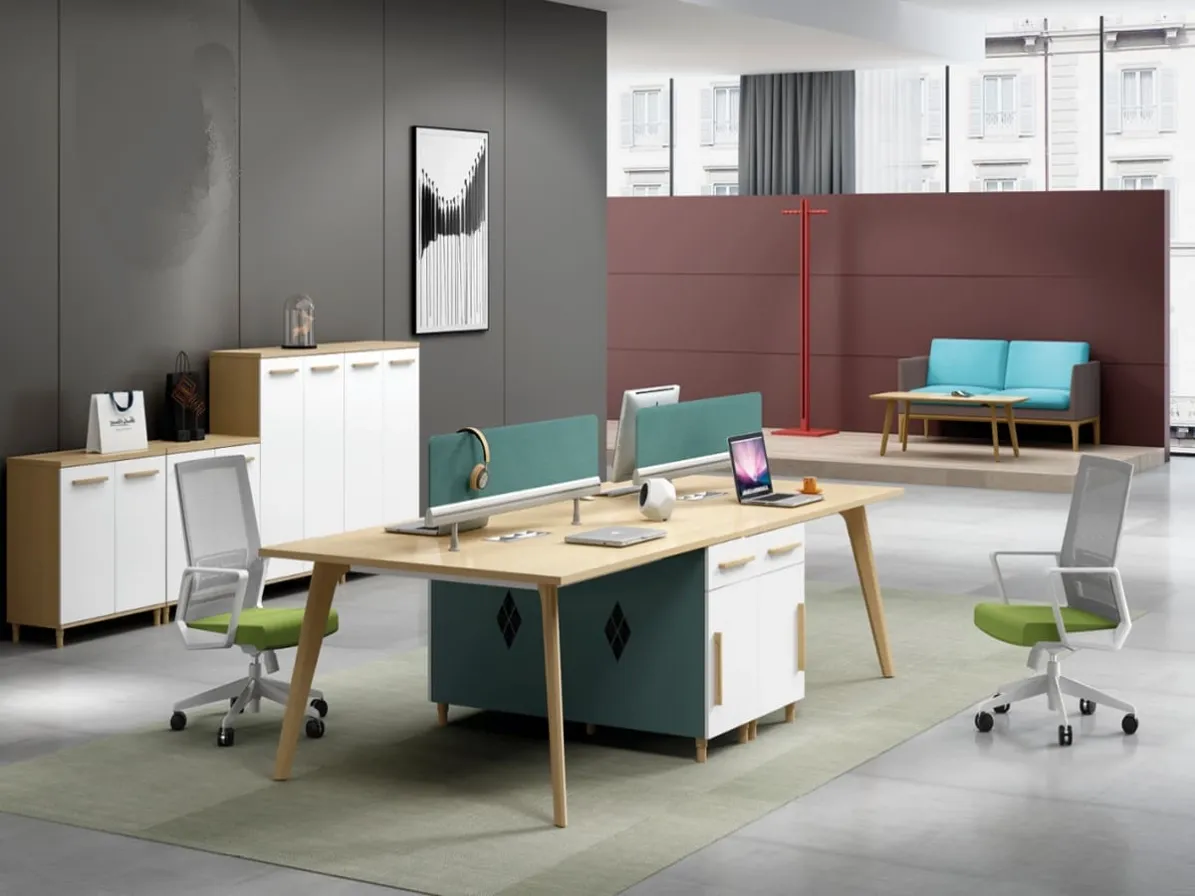
For global buyers sourcing from a commercial furniture manufacturer, understanding the key points of workstation planning can make the whole project smoother.
1. Start With the Office Layout and Team Structure
Before choosing workstation models, buyers should first understand how the office will be used.
Different teams need different layouts. Sales teams may need open communication areas. Finance or administration teams may need more privacy. Design, engineering, or project teams may need larger desk surfaces and better storage options.
Common workstation layouts include:
- Linear workstations for long open office areas
- Face-to-face workstations for team collaboration
- L-shaped desks for managers or task-based roles
- Cluster workstations for departments with shared communication
- Modular systems for offices that may expand later
For commercial projects, a furniture supplier should be able to review floor plans and suggest suitable workstation sizes, panel heights, storage placement, and wiring solutions.
2. Balance Space Efficiency and User Comfort
Many office projects need to control cost per seat, especially for bulk orders. However, reducing workstation size too much can affect comfort and productivity.
A practical workstation plan should consider:
- Enough desktop space for computers, documents, and daily work
- Proper legroom under the desk
- Suitable distance between users
- Comfortable chair movement
- Clear walking aisles
- Easy access to power and network cables
For international buyers, space standards may vary by country and project type. For example, a corporate office, call center, school administration office, and co-working space may all require different workstation density.
A professional office furniture manufacturer should help buyers balance capacity, comfort, and budget instead of only offering standard desk sizes.
3. Choose Materials Based on Project Positioning
Material selection has a direct impact on appearance, durability, cost, and shipping.
For office workstation projects, common material options include melamine board, MDF, metal frames, aluminum profiles, acoustic panels, and fabric screens. Each material has its own advantages.
Melamine worktops are widely used because they are cost-effective, easy to clean, and suitable for bulk office projects. Metal frames improve stability and create a modern look. Fabric or acoustic screens can help reduce visual distraction and improve privacy.
When choosing materials, buyers should consider:
- Target market price level
- Expected usage years
- Humidity and climate conditions
- Required color style
- Fire resistance or environmental requirements
- Packaging and shipping protection
For OEM and ODM orders, the manufacturer should provide material samples, color swatches, edge banding options, and hardware details before mass production.
4. Plan Cable Management Early
Cable management is often ignored at the quotation stage, but it becomes very important during installation.
A workstation project may need power boxes, cable trays, wire holes, vertical cable covers, or under-desk cable channels. If these details are not planned early, the office may look messy after installation.
Good cable management helps create a cleaner workplace and makes future maintenance easier. For project buyers and contractors, this also reduces installation complaints from the end client.
When discussing with a supplier, buyers should confirm:
- Power box position
- Cable hole size and location
- Under-desk cable tray requirement
- Compatibility with local electrical systems
- Whether the design supports future changes
These details should be confirmed before production drawings are approved.
5. Use Modular Design for Future Expansion
Many commercial offices change over time. Teams expand, departments move, and layouts need adjustment. This is why modular workstation design is useful.
A modular workstation system allows buyers to use repeated parts, shared panels, standard frames, and flexible desk combinations. This helps reduce production complexity and makes future reorders easier.
For importers and wholesalers, modular designs also make inventory management more efficient. Instead of stocking too many different models, they can promote a system that works for multiple office sizes and project types.
For project buyers, modular workstations reduce long-term replacement cost because parts can be reordered or adjusted more easily.
6. Confirm Customization Details Before Production
Office workstation projects often require customization. This may include size, color, panel height, desktop thickness, leg design, privacy screen, storage cabinet, packaging mark, and logo label.
Before placing a bulk order, buyers should confirm:
- Final layout drawing
- Product dimensions
- Material and color codes
- Hardware specification
- Packing method
- Installation instructions
- Sample or pre-production approval
- Lead time and delivery schedule
Clear confirmation reduces misunderstanding and helps both buyer and manufacturer control quality.
For overseas projects, written confirmation is especially important because communication usually involves different time zones, languages, and project stakeholders.
7. Work With a Manufacturer That Understands Project Orders
A workstation project is different from buying single furniture items. It requires product coordination, drawing support, packaging control, and export experience.
A reliable commercial furniture manufacturer should be able to support:
- OEM and ODM customization
- Bulk production planning
- Project layout discussion
- Material and color matching
- Quality inspection before shipment
- Export packaging
- Container loading planning
- After-sales communication
For global buyers, the right supplier is not only a product vendor. It should be a project partner that understands commercial office requirements and can help reduce sourcing risk.
Conclusion
Office workstation planning plays a major role in the success of commercial office furniture projects. Buyers need to consider layout, space efficiency, material selection, cable management, modular design, and customization details before production.
For furniture importers, contractors, and project buyers, working with an experienced office workstation manufacturer can improve project efficiency and reduce costly mistakes.
ZESON FURNITURE provides commercial furniture solutions for global B2B buyers, including office workstations, office desks, office chairs, public space furniture, and customized project furniture. With OEM and ODM support, ZESON helps overseas clients build practical, durable, and market-ready office furniture solutions.